Showing posts with label Physical Activity. Show all posts

Make Mistakes And Get Moving

A study recently published from Baycrest Health Sciences suggests that making mistakes while learning can benefit memory and lead to the correct answer, but only if the guesses are close-but-no-cigar.
"Making random guesses does not appear to benefit later memory for the right answer , but near-miss guesses act as stepping stones for retrieval of the correct information - and this benefit is seen in younger and older adults," says lead investigator Andrée-Ann Cyr, a graduate student with Baycrest's Rotman Research Institute and the Department of Psychology at the University of Toronto.
Cyr's latest research provides evidence that trial-and-error learning can benefit memory in both young and old when errors are meaningfully related to the right answer.
The researchers wanted to know if participants would be better at remembering rose if they had made wrong guesses prior to studying it rather than seeing it right away. They found that this was only true if participants learned based on the categories (e.g., a flower). Cyr and her colleagues suggest this is because our memory organizes information based on how it is conceptually rather than lexically related to other information. For example, when you think of the word pear, your mind is more likely to jump to another fruit, such as apple, than to a word that looks similar, such as peer. Wrong guesses only add value when they have something meaningful in common with right answers. 
 By guessing first as opposed to just reading the answer, one is thinking harder about the information and making useful connections that can help memory. Indeed, younger and older participants were more likely to remember the answer if they also remembered their wrong guesses, suggesting that these acted as stepping stones. By contrast, when guesses only have letters in common with answers, they clutter memory because one cannot link them meaningfully. The word rope is nowhere close to rose in our memory. In these situations, where your guesses are likely to be out in left field, it is best to bypass mistakes altogether.
"The fact that this pattern was found for older adults as well shows that aging does not influence how we learn from mistakes," says Cyr.
"These results have profound clinical and practical implications. They turn traditional views of best practices in memory rehabilitation for healthy seniors on their head by demonstrating that making the right kind of errors can be beneficial. They also provide great hope for lifelong learning and guidance for how seniors should study," says Dr. Nicole Anderson, senior scientist with Baycrest's Rotman Research Institute and senior author on the study.
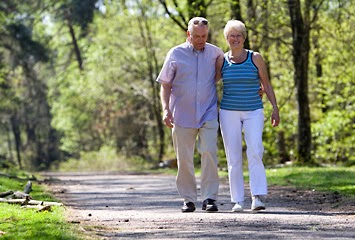


Another study published shows the importance of physical activity on learning. There is myriad research that proves that students need adequate amounts of physical activity throughout the school day—not only do they prevent obesity and obesity-related issues, but they perform better academically also.
The CDC states, “…physical activity can have an impact on cognitive skills and attitudes and academic behavior, all of which are important components of improved academic performance. These include enhanced concentration and attention as well as improved classroom behavior.”
And there’s more. Active Living Research says, “In some cases, more time in physical education leads to improved grades and standardized test scores.” In schools that are under government mandates to bridge the achievement gap (and when those mandates encourage “teaching to the test”), physical education can actually help improve the students’ scores. 
Exercise directly impacts the behavior and development of the brain for both young and old. “It is likely that the effects of physical activity on cognition would be particularly important in the highly plastic developing brains of youth and the aging brains of adults,” according to a 2010 essay penned by Charles Basch of Columbia University.

He summarized how exercise may affect executive functioning:
  • Increased oxygen flow to the brain
  • Increased brain neurotransmitters
  • “[Increased] brain-derived neurotrophins that support neuronal differentiation and survival in the developing brain.” Neurotrophins assure the survival of neurons in areas responsible for learning, memory, and higher thinking.
So what do these studies mean for you? Both young and old can benefit from memory activities that help us learn to guess based on information rather than just seeing the answer and trying to remember it. For young students this may mean a new approach in teaching and test taking and for the older population it will help in rehabilitation after stroke or other causes of memory loss. It also means that physical activity is a necessary component to learning and memory retention for the young and old and it keeps us fit through out our lives. When we stay physically and mentally active we are better able to enjoy our life experiences.  So make mistakes and get moving!!

Healthy Summer Tips

Summer is a great time to build up your fitness program, enjoy fresh fruits and vegetables, take a vacation, and have fun. There are so many delicious fresh food options available during the summer. Start by exploring your market for summer fruits and veggies. It’s also a time to pay attention to your health and safety. Below are tips to help you stay safe and healthy this summer and all year long.
In the warmer, longer, lazier days of summer, even adults tend to adopt a "school's out!" attitude in summer. That's why this is a perfect time to improve your health in a fashion so seasonally laid back you'll barely notice the effort.
First off: Get Outside to Exercise!
Pick one outdoor activity -- going on a hike, taking a nature walk, playing games such as tag with your kids, cycling, roller blading, or swimming -- to shed that cooped-up feeling of gym workouts. The summer is also great time to play outdoor games, garden, or walk. Start a new routine that combines fun and physical activity. Active people are less likely than inactive people to be obese or to have high blood pressure, diabetes, osteoporosis, coronary artery disease and stroke, depression, colon cancer, and premature death. It's recommended that adults should get 30 minutes of moderate-intensity physical activity most, preferably all, days of the week.
Children and adolescents should participate in at least 60 minutes of moderate-intensity physical activity most, preferably all, days of the week. Start at an easy pace and increase time and distance gradually.
Don't overdo it. And remember, the family that plays together not only gets fit together -- it's also a great way to create bonding time.
Next: Sleep Well
Resist the urge to stay up later during long summer days. Instead pay attention to good sleep routine by keeping the same bedtime and wake-up schedule and not drinking caffeine within three hours of bedtime. It's also a good idea to avoid naps during the day unless you take them every day at the same time, for the same amount of time.
Third: Practice sun safety by keeping yourself hydrated with plenty of water during all your outdoor activities and always use sunscreen and a wide-brimmed hat to protect your skin from the sun.
Lastly, enjoy the summer. Whether it's vacationing or spending time with family, make the most of the longer days of summer to enjoy yourself and have fun!


Time Out for your Health!


Why Is Physical Activity and Taking Time for Yourself Important?

Regular exercise and physical activity are important to the physical and mental health of almost everyone, including older adults. Being physically active can help you continue to do the things you enjoy and stay independent as you age. Regular physical activity over long periods of time can produce long-term health benefits. That’s why health experts say that older adults should be active every day to maintain their health.

In addition, regular exercise and physical activity can reduce the risk of developing some diseases and disabilities that develop as people grow older. In some cases, exercise is an effective treatment for many chronic conditions. For example, studies show that people with arthritis, heart disease, or diabetes benefit from regular exercise. Exercise also helps people with high blood pressure, balance problems, or difficulty walking.

One of the great things about physical activity is that there are so many ways to be active. For example, you can be active in short spurts throughout the day, or you can set aside specific times of the day on specific days of the week to exercise. Many physical activities — such as brisk walking, raking leaves, or taking the stairs whenever you can — are free or low cost and do not require special equipment. You could also check out an exercise video from the library or use the fitness center at a local senior center.

Talk to your therapist about the  many types of exercise and physical activity. They can also give  lots of tips to help you be active in ways that suit your lifestyle, interests, health, and budget, whether you’re just starting out, getting back to exercising after a break, or fit enough to run a 3-mile race or even a marathon! Exercise is for everyone* — people who are healthy and those who live with an ongoing health problem or disability.

*talk to your physical therapist and/or doctor before beginning any new strenuous exercise program.

Protecting Yourself During Fall Sports

Playing physical sports can be a lot of fun. It’s an activity you can do with your friends or family members. It’s important to take care of yourself to avoid injury while playing sports. You can’t completely avoid getting hurt, but you can do everything you can to prevent injury. There are a few easy steps you can take to get the most out of your sports.
1. Equipment
Equipment is important when it comes to working out with sports. Make sure you have the proper sporting equipment that goes with the event you’re participating in. Avoid wearing worn-out shoes and wear a helmet or shoulder pads whenever necessary.
2. Eye and Mouth Protection
Eyewear is important for protection during sports. Goggles are often times worn for soccer, basketball, racquetball, snowboarding, street hockey, baseball and softball. Mouth guards protect your teeth, mouth and tongue. They should always be worn in contact sports, such as wrestling, boxing, martial arts, volleyball, hockey, football and basketball. It’s important to have a dentist fit the mouth guard to your mouth specifically. Never wear your retainer during exercise, practice or play.
3. Wrist, Knee and Elbow Guards
These types of guards are appropriate for inline skating, skateboarding or scooter riding and other similar sports.

Warming Up is Important
Warming up and before a game is an important part of the workout. You should always do this in order to protect your muscles and your joints from injury. You should also stretch afterwards when your muscles are warm to prevent future injury.

Benefits of Sports
Research proves that participating in regular physical activity is a type of preventative medicine. Leading this type of active lifestyle can help reduce the risk of cancer, heart disease and stroke. Participating in regular physical activity can help you to maintain a healthy body weight while minimizing the adverse affects of stress. Most experts agree that healthy adults should be getting approximately 30 minutes of physical activity on all or most days. Younger people should aim for between 30 minutes and 60 minutes a day. Moderate intensities, such as taking a brisk walk, cycling or swimming laps can be done in a single session.
Avoid overdoing it. Play sports in moderation and make sure you are practicing sporting activities appropriately. Physical activity can reduce the risk of certain illness, such as colon cancer, heart disease, stroke, diabetes, hypertension and obesity.
Stress Relief
Working on regularly by getting regularly physical activity or participating in sporting events, you’ll reap the benefits of reducing your stress levels. If you participate in sporting activities on a regular basis, you will likely lose weight or maintain a healthy body weight, which can reduce stress too!